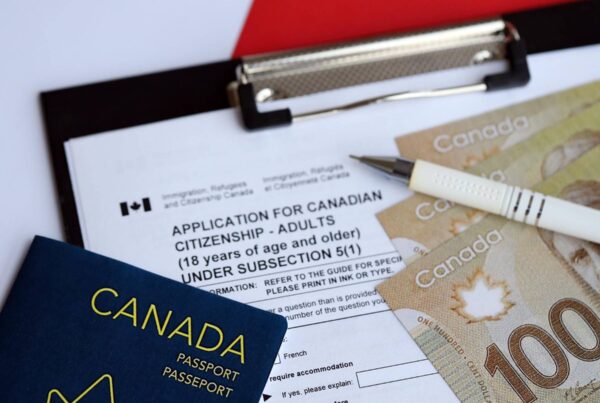
Canada’s immigration system has changed drastically in recent years. This created numerous challenges for both permanent residents and work permit holders. The country now promotes temporary migration instead of permanent settlement. As a result, more workers arrive with fewer rights, limited access to services, and no way to get federally-funded settlement support. These changes affect thousands of immigrants who try to build their lives in Canada.
Money problems are the biggest immediate concern. Recent data shows that 43% of new immigrants find it “difficult” or “very difficult” to meet their financial needs. This compares to just 29% of long-term immigrants and non-immigrants. The financial struggles vary based on where people come from. Newcomers from Asia face the most difficulty (46%), while those from the United States (24%) and Europe (34%) experience fewer challenges.
The immigration system faces unprecedented pressure. Work permit processing times have grown longer because of what Immigration, Refugees and Citizenship Canada (IRCC) calls “unprecedented demand”. IRCC made over 40 major policy announcements in the last year alone. This creates an ever-changing system that’s too complex for immigrants to handle on their own.
Job markets pose additional challenges. Many immigrants arrive with strong educational backgrounds but still struggle to find suitable work. About 27% of recent university-educated immigrants work in jobs below their skill level. Several factors cause this underemployment: language barriers, lack of professional connections, unconscious bias, and the common requirement for “Canadian work experience.” This structural barrier often forces newcomers into low-paying “survival jobs”.
Housing problems make things even harder. The quick rise in permanent residents and temporary workers puts pressure on housing and community services. This affects both newcomers and public opinion. Recent surveys show 38% of Canadians now support lower immigration levels than they did last year.
Immigrants already in Canada struggle to keep their status legal as rules keep changing. The system’s complexity means small paperwork mistakes or missed deadlines can have serious consequences. Recent notices about changing pre-removal risk assessments for various countries show how important perfect paperwork becomes.
Life satisfaction suffers too. Recent immigrants report less satisfaction with their free time (23%) compared to non-immigrants (32%). This suggests these challenges significantly impact their quality of life.
These complexities show why immigration matters need professional help. An immigration lawyer guides people through changing policies and makes sure applications stay accurate and on time. Legal counsel becomes vital for appeals, hearings, or creating long-term immigration strategies. With mistakes potentially leading to removal from Canada, professional guidance helps secure a better future here.
 Common immigration issues for PRs and work permit holders
Legal immigrants in Canada face ongoing documentation challenges. PR card holders and work permit holders must stay on top of their paperwork. The immigration system keeps changing, and this makes life complicated even after someone gets their first approval.
Expired or expiring permits and PR cards
Your PR status doesn’t end just because your Permanent Resident card expires. You stay a permanent resident unless you give it up or don’t meet residency rules. A valid card matters a lot though, especially when you travel. Without it, coming back to Canada after international trips becomes a real headache. You might need a Permanent Resident Travel Document.
Work permit timing can make or break your status. You can keep working under “maintained status” if you apply to extend your permit before it expires. This lets you stay in Canada under your current conditions until they decide on your application. The rules get strict if your permit runs out first – you must stop working right away. You’ll need to ask for status restoration and can’t work during this time.
Delays in processing and renewals
Getting immigration papers takes much longer these days. The IRCC had 760,200 applications waiting as of April 2025. Only 62.8% met their service timelines. These slowdowns touch every part of the system. Your wait time depends on what you’re applying for, if your paperwork’s complete, how complex your case is, and how fast you answer their questions.
These delays hit people hard. Some humanitarian cases now wait anywhere from 12 to 600 months, according to IRCC’s numbers. People with work permits nearing expiry live with constant worry about their legal status and right to work.
Changes in eligibility rules
New policies make it harder to keep your status current. The government stopped “flagpoling” that used to let people renew permits quickly at border crossings. Work permit extensions now need Labor Market Impact Assessments, which take up to 7 months.
Program limits create extra hurdles. When yearly application targets fill up, new requests roll over to next year. The rules keep changing, and most people need professional help to get through the system.
Loss of status due to missed deadlines
Missing deadlines can wreck your immigration status. Your legal right to stay in Canada ends if you don’t renew before your permit expires. This means either leaving Canada right away or trying to restore your status within 90 days.
Courts take a tough stance on missed deadlines. They rarely accept common excuses like poor legal advice, health issues without proper proof, or not knowing the rules. Small paperwork mistakes can lead to serious problems, including possible removal from Canada.
The system’s complexity makes professional legal help crucial. An immigration lawyer can submit your papers correctly and on time. They’ll help you stay legal during delays and step in if things go wrong.

When paperwork problems become legal problems
Legal problems can be quick to escalate for immigrants in Canada when paperwork isn’t handled properly. Many people don’t realize how thin the line between administrative errors and legal violations can be. These mistakes often lead to life-changing consequences.
Incorrect or incomplete applications
Major complications often stem from small mistakes on immigration forms. Immigration officials scrutinize even unintentional errors carefully. Delays and deeper investigations frequently result from applications that lack reference letters, show inconsistent employment records, or have incomplete proof of funds. Accuracy in Canadian immigration applications isn’t optional – officials may treat even honest mistakes as misrepresentation. You bear responsibility for all information in your applications, even when a representative completes them. This means ensuring consistency in all documents, forms, and declarations. A good immigration lawyer protects you by reviewing applications thoroughly, spotting potential inconsistencies, and making sure all documentation meets current standards.
Misrepresentation and its consequences
Providing false or misleading information on an application ranks among the most serious offenses in Canadian immigration. Officials define misrepresentation as giving untrue, misleading, or incomplete information that could lead to errors in applying immigration law. Common examples include leaving out family members, failing to report family status changes, submitting false documents, or claiming nonexistent work experience. The penalties hit hard: your application gets refused, you face a minimum 5-year ban from Canada, IRCC keeps a permanent fraud record, and officials might revoke your temporary or permanent resident status or Canadian citizenship. Permanent residents risk removal from Canada. Whether intentional or accidental, misrepresentation carries these serious consequences.
Overstaying or working without authorization
Your legal status becomes immediately at risk when you stay in Canada past your authorized period. Being “out of status” means you’re in Canada illegally. You might restore your status if less than 90 days have passed since expiration by selecting “Restore my status” on your application and explaining what happened. The government might not approve your application though. Working without authorization brings equally harsh penalties. Working in Canada without proper permits is illegal and can result in removal from Canada, a permanent IRCC fraud record, and a 5-year ban on returning. Employers face fines up to CAD 69,668.01 for illegally employing foreign nationals, and this increases to CAD 139,336.02 with proof of misrepresentation. These situations need professional legal help quickly because cases become more complex the longer someone remains without status.
How immigration issues affect daily life
Life for newcomers to Canada goes way beyond paperwork and legal hurdles. Their daily routines turn into complex challenges that affect their personal lives and family stability.
Barriers to employment and healthcare
New immigrants struggle daily to find meaningful work. The numbers tell a stark story – 26.7% of recent university graduates work in jobs that need only high school education. They earn 46% less than non-immigrants in similar fields. This isn’t just a short-term problem. Even 10-year old immigrants still face overqualification. Black immigrants have it even harder. Only 43% find work in their field compared to 74% of Asian immigrants.
Healthcare access creates another daily struggle. Canada’s universal healthcare system makes new permanent residents wait up to three months for provincial coverage. Private insurance becomes vital during this time. People with uncertain immigration status face bigger hurdles. Many skip needed medical care because they fear being discovered. This leads to poor treatment, missed follow-ups, worse health outcomes, and mental health problems.
Stress on families and relationships
Immigration puts heavy psychological pressure on families. The whole process of settling down creates stress. Money worries make things worse – work, finances, and employment top the list of stressors for newcomers. Family dynamics change as people adapt to new gender roles and different ways of raising children. Parents feel overwhelmed without extended family nearby, while children might lose touch with their cultural heritage. Strong social connections help people cope better with stress.
Fear of removal or deportation
The constant worry about deportation changes how immigrants live their daily lives. This fear stops them from normal activities like going to school, seeing doctors, or joining community events. Many avoid speaking their native languages in public or reporting unsafe work conditions. The mental toll runs deep. Some develop suicidal thoughts as they lose hope, especially those who escaped persecution. Detention experiences leave lasting trauma. People shake, scream, can’t sleep, and struggle to function normally.
These daily challenges show why professional help matters so much. An immigration lawyer does more than handle paperwork – they become a vital ally in dealing with real-life challenges of immigrant life in Canada.
 Why immigration law is not a DIY project
Handling Canada’s immigration system alone feels like solving a puzzle blindfolded. The stakes run high for immigrants in Canada who choose to manage their paperwork without help.
Complexity of rules and frequent changes
Canada’s immigration system includes over 100 economic and family pathways that keep changing. The qualifying requirements change quickly with little consistency. These constant changes make many feel they’re playing a lottery instead of following a well-laid-out system. Many experienced immigrants find it hard to keep up with new regulations that affect their status.
Unclear communication from IRCC
Immigration, Refugees and Citizenship Canada (IRCC)’s communication often leaves applicants confused. They send vague email alerts that direct clients to online accounts with generic letters lacking context. Rejection notices usually provide boilerplate language without explaining the reasons. Yes, it is common for applicants to receive template notices that offer little guidance about fixing problems. This lack of clarity creates serious immigration problems in Canada, and applicants must guess what officials want.
Risks of relying on outdated or unofficial advice
Simple mistakes—like checking the wrong box or misreading a form field—can lead to severe problems, such as inadmissibility or application rejection. These gaps create frustration and make the process seem arbitrary. Unlicensed consultants often claim to be immigration experts, which can result in serious immigration issues in Canada like application denials or five-year entry bans.
How an immigration lawyer can help you stay on track
Professional guidance through the maze of Canadian immigration law might make the difference between success and heartbreak for immigrants in Canada. Immigration issues need specialized knowledge that changes constantly, unlike general legal matters.
Reviewing and fixing application errors
Immigration lawyers review your documentation before submission and identify problems that untrained eyes might miss. Expert practitioners analyze why applications get refused and create individual-specific strategies to address previous issues. An expert should review your materials because application errors often trigger deeper investigations. Lawyers get into evidence and documents from your original application to find errors that might have led to negative decisions.
Meeting deadlines and maintaining status
Immigration lawyers alert you about significant timelines. This service matters because Federal Court applications need filing within 15 days (for in-Canada decisions) or 60 days (for overseas decisions) after you learn about the refusal. Missing these deadlines cannot be excused by common reasons like poor representation or lack of knowledge about requirements. Legal professionals help maintain your status by submitting applications correctly and on time.
Representing you in appeals or hearings
Lawyers can represent you before various bodies like the Immigration Appeal Division and Federal Court if your application faces rejection. They create detailed legal submissions that outline facts, applicable law, and arguments that support your position. This representation will give a fair hearing to your case from decision-makers.
Advising on long-term immigration strategy
Immigration lawyers help create custom strategies that overcome inadmissibility and achieve permanent residency goals. Their expertise helps identify the best application type for your specific situation. They provide valuable strategies to reach long-term immigration objectives while maximizing your chances of success.
Moving forward with confidence and clarity
Canadian immigration system creates major challenges for permanent residents and work permit holders. This piece shows how small administrative errors can quickly turn into serious legal issues that change lives. Many immigrants find it hard to deal with financial problems, employment barriers, processing delays, and constantly changing regulations on their own.
The stakes are without doubt at their highest when managing immigration status. Loss of status, removal proceedings, or multi-year bans from Canada might result from a missed deadline, incomplete application, or unintentional misrepresentation. These risks affect everything in daily life – from healthcare access to job stability and family unity.
Canada welcomes newcomers, but the ground reality shows a system under extreme pressure. Policy changes happen with little warning as processing backlogs keep growing. IRCC’s communication leaves applicants confused instead of informed. Much of recent immigrants face serious money problems while settling in their new home.
Legal guidance becomes essential, not just helpful, to build a secure future in Canada. Immigration lawyers are great navigators through this complex system. They make sure applications stay complete and accurate, meet deadlines, and help maintain status during delays. They also represent clients in appeals or hearings and create tailored long-term strategies that match individual needs.
Immigration covers dreams, hopes, and futures – it’s not just about paperwork. Qualified legal professionals offer the best protection against issues that can derail immigration status. The cost of proper legal guidance is nowhere near the potential risks of handling this system alone, especially when one mistake can waste years of hard work.
Building secure status in Canada looks challenging, but support is available. Professional guidance gives you expertise and peace of mind – maybe even the most valuable thing anyone needs while building a new life in a new country.
FAQs
Q1. What are the main challenges immigrants face in Canada? Immigrants in Canada often struggle with financial difficulties, employment barriers, complex paperwork, and constantly changing immigration rules. Many face underemployment, healthcare access issues, and stress on family relationships while adapting to their new life.
Q2. How does losing immigration status affect daily life in Canada? Losing immigration status can have severe consequences on daily life. It can lead to loss of work authorization, difficulty accessing healthcare, increased stress on families, and the constant fear of removal or deportation. This situation can significantly impact an immigrant’s mental health and overall quality of life.
Q3. Why is it risky to handle immigration matters without professional help? Handling immigration matters without professional help is risky due to the complexity of Canadian immigration laws, frequent policy changes, and unclear communication from immigration authorities. Even minor errors in paperwork can lead to serious consequences, including application refusals or inadmissibility.
Q4. How can an immigration lawyer assist with maintaining legal status in Canada? An immigration lawyer can help maintain legal status by reviewing and correcting application errors, ensuring deadlines are met, representing clients in appeals or hearings, and developing long-term immigration strategies. They provide expert guidance through the complex and ever-changing immigration system.
Q5. What are the consequences of misrepresentation in Canadian immigration applications? Misrepresentation in Canadian immigration applications, whether intentional or accidental, can result in severe consequences. These may include application refusal, a minimum five-year ban from entering Canada, a permanent record of fraud with immigration authorities, and potential revocation of temporary or permanent resident status or Canadian citizenship.