
Canada’s new 2026-2028 Immigration Levels Plan reveals a major transformation in managing permanent and temporary residents. Our team of immigration lawyers has analyzed these changes to guide applicants through this evolving digital world.
The plan’s biggest change reduces temporary resident numbers, especially when you have international students and foreign workers. The Canadian government wants temporary residents to stay below 5% of Canada’s total population by 2027. This is a big deal as it means that previous policies allowed this category to grow rapidly.
The permanent resident targets remain steady but show key internal changes. Annual targets still hover around 500,000 new permanent residents, but priorities now favor economic immigrants. Healthcare professionals, skilled tradespeople, and STEM workers get better chances through Express Entry and Provincial Nominee Programs.
Family reunification pathways will see annual targets drop to 84,000 in 2026. Refugee and humanitarian programs have smaller allocations now. This makes the application process more competitive in these categories.
Our experience as immigration specialists shows these changes address housing pressures, infrastructure challenges, and labor market needs. Canada now gives priority to immigrants with specific skills and Canadian experience while tightening controls on temporary entry paths.
These changes mean you need expert guidance if you’re applying or thinking about moving to Canada. Our legal team helps clients understand how these policy changes affect their cases. We identify the best pathways based on new priorities and build stronger applications in this competitive environment.
Canada’s immigration plan shows its biggest policy change in recent years. It balances economic needs with infrastructure capacity and alters who enters and stays in the country. Our expert guidance helps clients direct through these complex changes to reach their immigration goals.
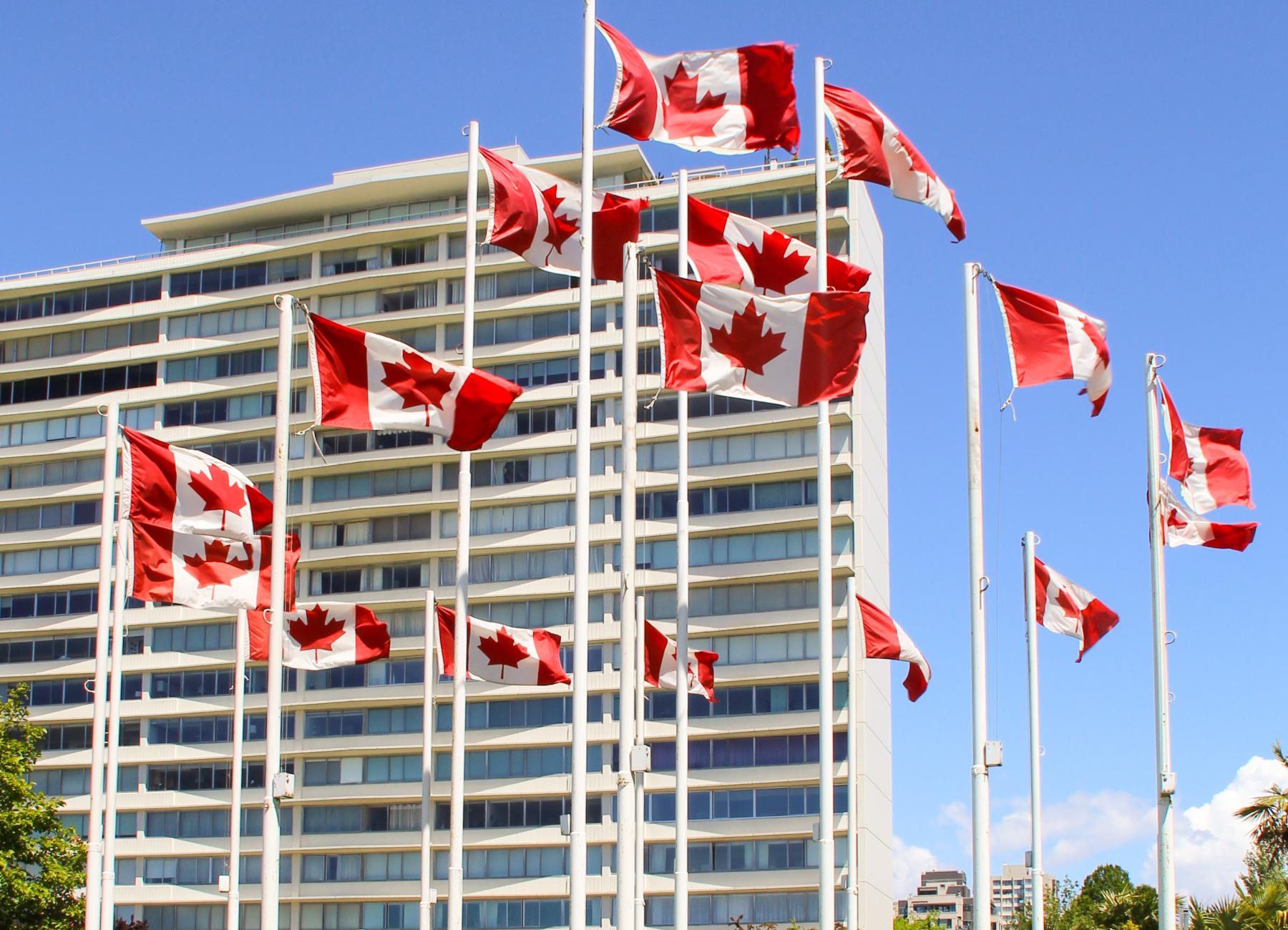 Canada Reduces Temporary Resident Intake by 2027
Canadian immigration faces a radical transformation as the federal government cuts temporary resident admissions. Our experience as immigration lawyers shows these changes mark the biggest policy shift we’ve seen in decades.
Student visa caps drop by nearly 50% from 2025
The 2026-2028 Immigration Levels Plan will cut international student visa allocations to 155,000 in 2026. This number is nowhere near the 2025 target of 305,900. Students already face a 40% reduction from earlier caps. We now tell our clients they need stronger applications because of increased competition. Current international students also need our help to stay in Canada. Many schools that once depended on international tuition now struggle with these new limits.
Temporary foreign worker permits face sharp cuts
The new plan hits temporary foreign workers hard too. Their numbers will drop to 230,000 in 2026—37% lower than before. The government has tightened several rules. LMIA validity now lasts 6 months instead of 12, and low-wage workers can stay one year rather than two. Employers can now hire only 10% of their workforce as temporary foreign workers, down from 20%. We help employers understand these limits and find other ways to keep their essential workers.
Government wants to keep temporary residents under 5% of population
The government’s main goal is to reduce Canada’s temporary resident population to less than 5% of all residents by late 2027. This target reverses years of growth in temporary immigration. Officials say these changes will reduce pressure on housing, healthcare, and other public services. The total number of temporary residents allowed in 2026 will be 385,000. This number drops to 370,000 for both 2027 and 2028. Our firm guides clients through these stricter rules and helps them find paths to permanent residence before their temporary status ends.
Canada Prioritizes Economic Immigration Over Other Streams
Economic immigration is the life-blood of Canada’s 2026-2028 Immigration Levels Plan. Immigration lawyers who help clients through these changes have noticed the government moving resources to select immigrants with specific skills and experience. The plan aims to make economic immigration 64% of all permanent resident admissions by 2027-2028. This shows clear priorities over family and humanitarian streams.
Skilled workers in healthcare, trades, and STEM get preference
Canada’s federal government has chosen specific job categories that get special treatment through Express Entry. Healthcare and social services jobs remain at the top, with seven targeted draws in 2025. Trades occupations saw a big draw in September 2025 that issued 1,250 invitations. Our team analyzes client’s occupational codes and helps build stronger profiles that match these priorities. The government plans to add three more job categories in 2026: senior manager leadership roles, scientist research positions, and military personnel for national security/defense. This focused approach helps us guide clients to paths where their skills arrange with Canada’s economic needs.
Express Entry focuses on Canadian experience and language skills
Express Entry has changed a lot and now runs as parallel paths instead of one competition. The system favors candidates who have Canadian work experience through the Canadian Experience Class. Language requirements need specific Canadian Language Benchmark (CLB) levels for each program—from CLB 7 for Federal Skilled Worker to CLB 5 for trades programs. Our team helps clients understand these complex language rules and get their documents ready. Express Entry draws in 2025 gave priority to in-Canada transitions, and this trend will likely continue under the new plan.
Provincial Nominee Programs receive increased allocations
Provincial Nominee Programs (PNPs) targets have grown to 91,500 in 2026 and 92,500 in 2027-2028. This is a big deal as it means that a 66% increase compared to previous plans. Provinces now have more power to select immigrants based on local job needs. Our immigration specialists guide clients to the right provincial streams based on their skills and where they want to live. With fewer temporary permits available, we tell clients to look into PNP options. This works especially well for people already working temporarily in a province who might benefit from programs targeting existing residents.
 New Rules Reshape Family, Refugee, and Humanitarian Pathways
Canada’s new plan brings fundamental changes to family and humanitarian immigration pathways beyond economic immigration. Immigration specialists like us now help clients through these restrictive changes that affect their loved ones and vulnerable people seeking protection.
Family reunification targets reduced to 84,000 in 2026
Family reunification programs will see major adjustments as overall targets drop to 84,000 in 2026. The numbers will decrease further to 81,000 in both 2027 and 2028. We help our clients understand how these reductions affect their cases when they sponsor spouses, children, parents or grandparents. Spousal sponsorship numbers will drop to 66,000 in 2026, which means documentation must be prepared carefully. The Parents and Grandparents Program keeps its 15,000 annual target, but we tell our clients to expect tough competition in the lottery-based system.
Refugee resettlement programs face major cuts
Global displacement continues to grow, yet refugee pathways face big reductions. The 2026 target stands at 56,200, which is nearly 12,000 fewer spots than previous plans. Privately sponsored refugees face the steepest decline with a 30% reduction in spots (from 23,000 to 16,000). This creates processing backlogs that exceed six years for about 90,000 waiting refugees. Government-Assisted Refugees will also decrease from 15,250 to 13,250. Our team helps refugee clients through these constraints while we look at other humanitarian options.
Work permits for spouses and dependents now restricted
Starting January 2025, work permits for family members face strict new rules. We guide our clients through these new limits. Only spouses of certain foreign workers (primarily in TEER 0 or 1 occupations) or international students in specific programs can get work permits. Foreign workers’ children have lost their eligibility completely. These changes hit families in lower-wage sectors hard, and they must often choose between keeping their family together or pursuing economic opportunities in Canada.
What This Means for Applicants and Employers
Canada’s new immigration plan creates immediate challenges for applicants and employers alike. Our immigration lawyers see firsthand how these policy changes reshape hiring strategies and immigration pathways across the country.
Canadian experience becomes a key advantage
The 2026-2028 plan strongly favors applicants who have Canadian work experience. Students and workers already in Canada will make up about 40% of permanent resident admissions in 2025. The Canadian Experience Class stands out as the quickest way to permanent residence because it doesn’t need settlement funds and processes applications faster. Our legal team helps clients meet these requirements. We assist them with documenting the required 1,560 hours of qualifying work experience and getting proper language test scores.
Employers in low-wage sectors may face labor shortages
These changes bring unprecedented challenges to employers in low-wage industries. Montreal’s suspended LMIA processing for the low-wage stream and reduced foreign worker caps from 20% to 10% create immediate staffing pressures. Employers must now limit employment duration to one year instead of two. Talk to the Canadian immigrations specialists – the legal team of Joshua Slayen about alternatives like Provincial Nominee Programs that give priority to applicants with provincial job offers and local connections.
Immigration specialists advise early planning and alignment
Smart planning makes a difference. Our immigration practice suggests workforce audits to identify expiring work permits and developing integration plans that support paths to permanent residence. Employers should support language training and Provincial Nomination Program applications. Professional guidance becomes essential during this transition period because businesses facing compliance issues can face penalties up to $1,393,360.
 Looking Ahead: A More Selective Immigration Future
Canada’s new immigration plan marks a transformative policy change in decades. These changes will reshape entry and stay requirements through 2028. Anyone thinking about Canadian immigration must understand these updates. The plan aims to reduce temporary residents to less than 5% of the population by 2027. This change affects international students and foreign workers the most, while permanent resident targets stay stable with major internal changes. The government now prioritizes economic immigrants who have specific skills over family and humanitarian streams. This creates a more competitive environment for all applicants.
Our experience has helped many clients through policy changes. These recent developments stand out as some of the most extensive we’ve seen. We analyze each client’s unique situation against new restrictions to create the best strategy. Healthcare, trades, and STEM professionals can benefit from Express Entry pathways and provincial programs that match their skills. Families now face reduced reunification targets, so we help make their applications stand out in this competitive field. Refugee pathways have seen major cuts, yet our team still finds options for humanitarian cases.
These policy updates affect both individuals and employers throughout Canada. Canadian experience has become more valuable, with 40% of permanent resident spots going to people already in the country. Companies in low-wage sectors now struggle to find international talent. Smart planning and system knowledge still create opportunities. Our legal team can help you direct through these complex changes to boost your immigration chances. Let us help.