A Canadian grandparent used to sound like an interesting family-history detail. Since Canada changed its citizenship-by-descent rules on December 15, 2025, that connection can carry much more weight. Some people born outside Canada who were blocked by the first-generation limit may now already be citizens. Ancestry alone does not decide the case; dates, generations, and older rules still matter.
Trace the Canadian Connection in Your Family Tree
Start with the person in your family who was Canadian. That may be a grandparent born in Canada, someone who naturalized there, or a relative who held status under an older law. Then build the line forward: grandparent, parent, you. Birthplaces and birth dates matter because the law has changed several times, and one generation may fall under different rules from the next.
Do not assume your parent needed a Canadian passport for you to have a claim. Citizenship can exist even when someone never applied for proof. A parent may have been Canadian by operation of law without realizing it, which can affect the next generation. A family tree built around legal status tells you far more than simply knowing that “Grandma was from Toronto.”
Find Out Whether You May Already Be a Canadian Citizen
Many affected people are not applying to become citizens from scratch. Under the December 2025 changes, certain people born before December 15, 2025 who would have been citizens but for the old first-generation limit became Canadian automatically. In those cases, the application is mainly about proving a status that already exists.
That distinction can change the entire process. You may not need permanent residence first, years of physical presence, or the standard naturalization route. IRCC still has to review the facts and issue proof. Cases involving adoption, renunciation, older nationality rules, or unusual birth circumstances can be more complicated, so an ancestry match by itself is never a final answer.
Understand What Changed When the First-Generation Limit Was Removed
For years, the first-generation limit generally stopped status from passing automatically to a second generation born abroad. A Canadian born in Canada could often pass it to a child born in the United States, but that child usually could not pass it to another child also born outside Canada. Families ended up with close relatives who had different outcomes despite similar roots.
Bill C-3 changed that framework on December 15, 2025. It extended citizenship to many people born before that date who had been excluded by the old limit. For children born or adopted abroad on or after that date, a Canadian parent who was also born or adopted abroad generally must show at least 1,095 cumulative days of physical presence in Canada before the child’s birth or adoption.
Check Whether Your Canadian Grandparent Can Pass Citizenship Through Your Parent
A grandparent does not usually skip a generation and hand status directly to a grandchild. The legal chain normally runs through the parent. The real issue is whether your grandparent made your parent Canadian and, under the rules that now apply, whether that connection reaches you. For people born before December 15, 2025, the new law can repair a break created by the former limit.
This is where dates become surprisingly powerful. Your grandparent’s birthplace, your parent’s birth date and country, and your own birth details can produce a different result from another family with the same ancestry. “My grandfather was Canadian” is a useful starting point, not a legal conclusion. A generation-by-generation review can uncover a claim nobody in the family knew existed.
Gather the Family Records That Prove Your Canadian Ancestry
Think of the application as an unbroken paper trail. You may need your grandparent’s Canadian birth certificate or citizenship record, your parent’s birth certificate, your own birth certificate, and documents showing name changes where surnames no longer match. Older families may need archival records, especially when the Canadian relative was born decades ago or lived under earlier nationality laws.
Small inconsistencies deserve attention before filing. A missing middle name, an anglicized surname, or a parent listed differently across certificates can slow down an otherwise straightforward case. Canada also provides a process to search existing citizenship records when key evidence cannot be located. Your file should make each family connection easy to follow without asking an officer to guess.
Apply for Proof of Canadian Citizenship
If you believe you are already Canadian, the practical next step is usually a citizenship certificate application. IRCC reviews your evidence and decides whether the law recognizes your status. People born outside Canada to a Canadian parent who was also born outside Canada may need to use a paper application rather than the online route, so choosing the correct filing method matters.
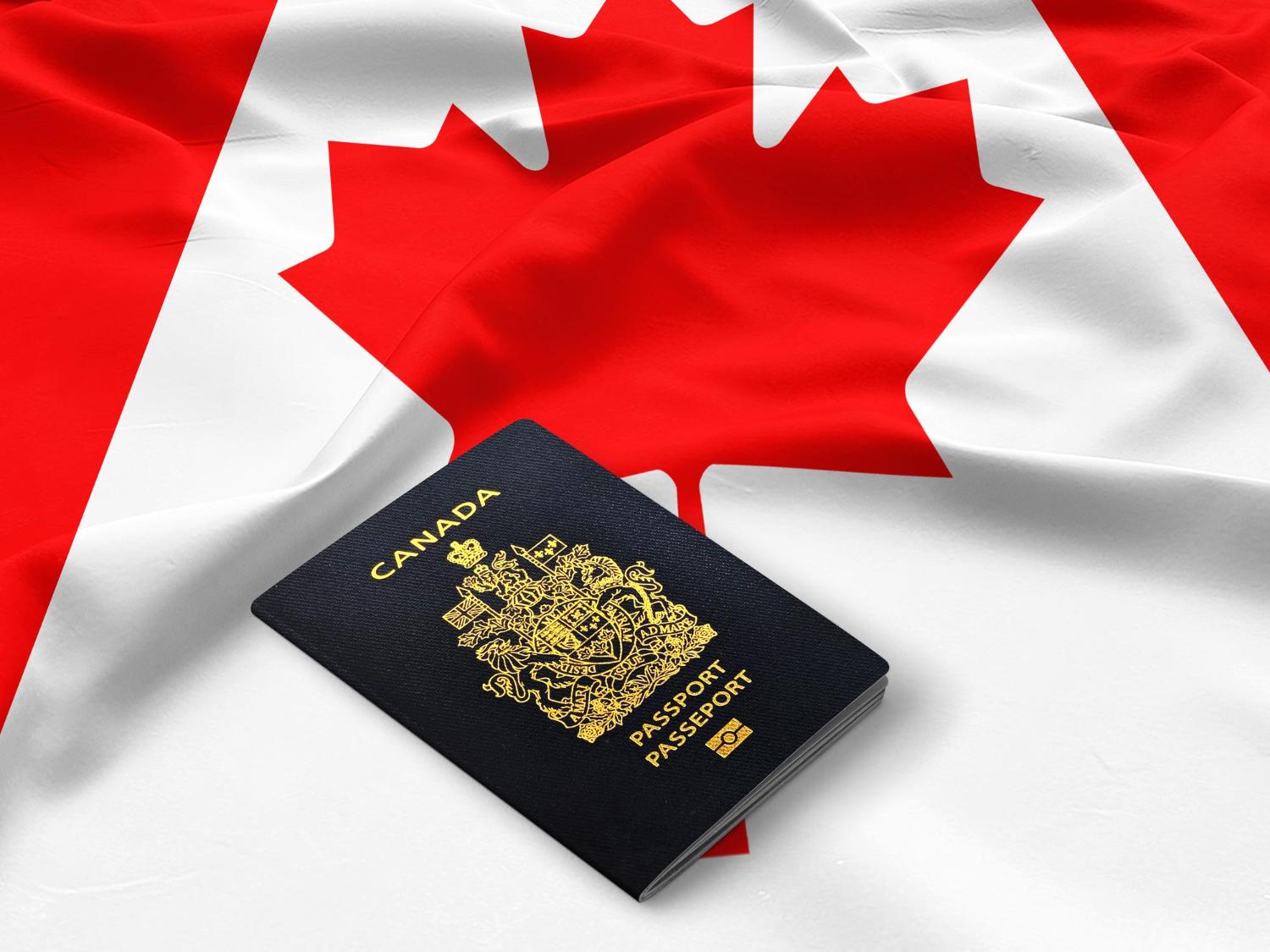
A certificate proves citizenship; it is not a passport. Once your status is confirmed, you can use the certificate to apply for a Canadian passport. IRCC advises people affected by the new rules to obtain proof and then a passport before travelling to Canada rather than assuming a U.S. passport and family records will settle the issue at the border.

Discover What Canadian Citizenship Could Mean for You and Your Family
For someone with Canadian roots, confirmation can mean far more than adding a document to the family archive. It can give you the right to live, work, and study in Canada without temporary immigration status. That can reshape plans for a career move, education, retirement, or simply having another country where you hold permanent legal rights.
The family effect can reach beyond your own plans. Whether you can pass status to children born abroad depends on when they were born and which rules apply. Under the current framework, future transmission beyond the first generation can involve the 1,095-day physical-presence test. Check those dates and connection requirements before assuming the same result will automatically extend to your children.
Turn Your Canadian Family History Into a Clear Citizenship Plan With Joshua Slayen, Canadian Immigration Lawyer
Finding a Canadian grandparent can be exciting, but the useful question is what that connection means under today’s law. Joshua Slayen, Canadian Immigration Lawyer, can review the chain from your Canadian ancestor to you, identify the rules that apply, and spot missing records or legal issues before they cause delays. That can be especially valuable for families affected by the December 2025 changes.
If you have a Canadian parent or grandparent and have wondered whether that family link gives you rights in Canada, now is a practical time to get a clear answer. A careful review can tell you whether you may already hold status, what evidence you need, and what should happen next. Contact us to discuss your family history and your options.